Do Cat Water Fountains Need a Lot of Cleaning?
Yes, cat water fountains need real, regular cleaning: a rinse every few days, a full wash weekly, and a filter change roughly every 30 days. Here is what the upkeep involves.
By Connected Home Team · Updated 15 July 2026
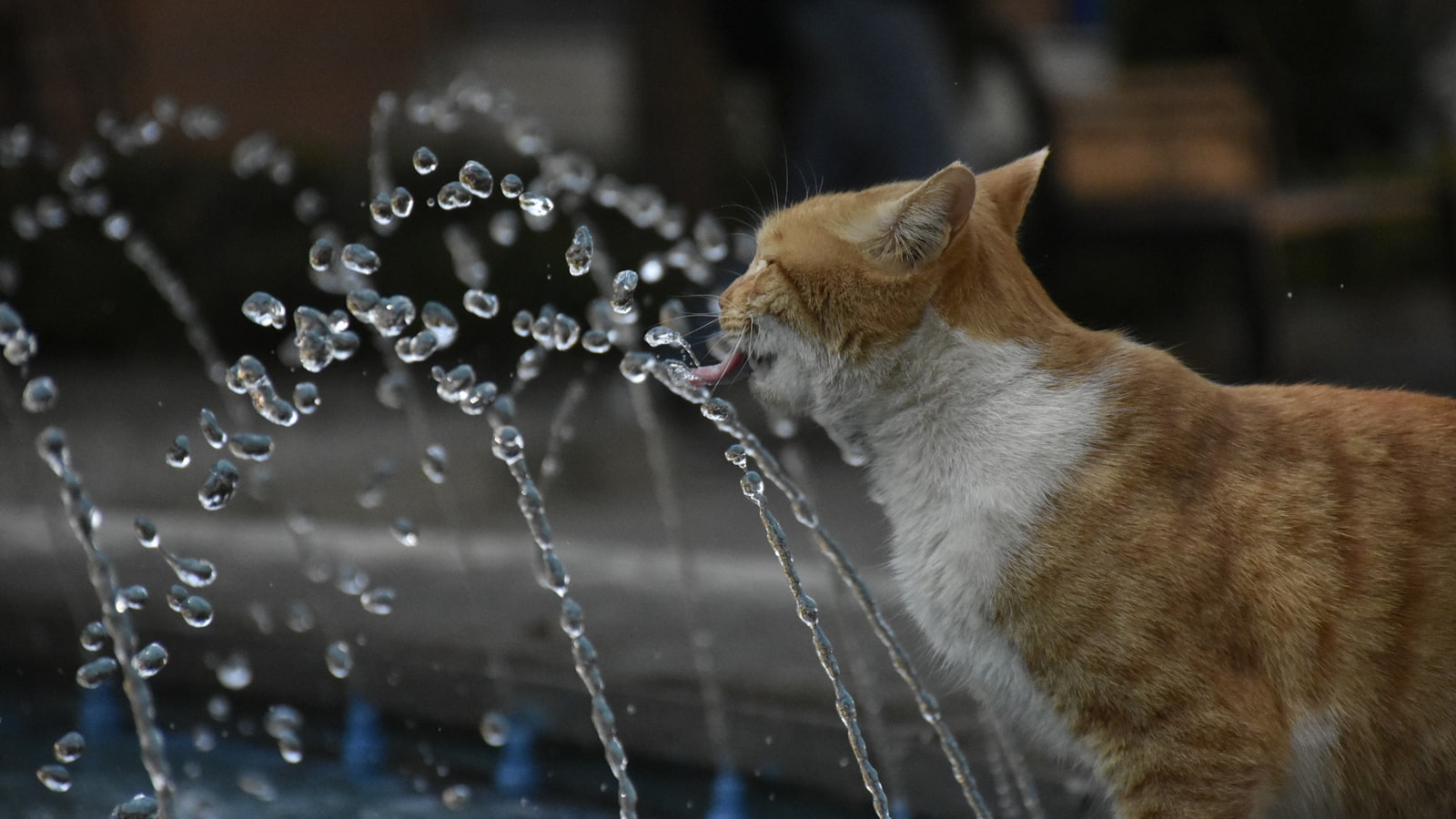
Yes, a cat water fountain needs far more cleaning than a plain bowl. Plan on a rinse every few days, a full wash once a week, and a new filter roughly every 30 days. Skip that routine and the fountain slowly stops working, which is worse than the bowl you replaced.
The cleaning schedule, spelled out
Rinse every two to three days. Lift out the bowl and filter, run them under warm water, and wipe round the inside of the base. You do not need soap for a quick rinse. It takes about five minutes, and it is the single thing that keeps a fountain running well.
Full wash once a week. Take the whole unit apart. Wash the plastic parts, the pump and the filter in warm soapy water, and use an old toothbrush to get inside the pump housing where gunk collects. Rinse everything well. This is the step that breaks the biofilm a quick rinse cannot reach.
Replace the filter about every 30 days. Filters clog with debris over time, and a clogged filter chokes the flow and makes the pump strain. Put a reminder somewhere you will see it. Spare filters are a running cost you carry for as long as you own the fountain.
Descale if your water is hard. In a hard-water area, limescale hardens on the pump impeller and inside the valve. Run the fountain with a half-and-half vinegar and water mix for about 30 minutes, then flush it through with fresh water. How often depends on your water, but every two to four weeks is common where it is hard.
What happens when you skip it
A neglected fountain grows biofilm, a slimy bacterial layer that coats the pump and bowl. That biofilm fouls the water-level sensor, so you start getting false empty warnings when the bowl is full. The sensor trips, the pump cuts out, and your cat cannot drink even with water sitting right there.
The pump suffers too. Gunk works into the impeller, the motor hums and strains instead of running quietly, and in the end it stops circulating. A fountain that does not move water is just an expensive bowl that has stopped working.
None of this is a design fault, just the nature of recirculating water. A plain bowl has no pump, no sensor and no filter to foul. A fountain has all three. What you get in return is moving water, which many cats prefer and drink from more readily, and the price of that is the cleaning.
Smart features help, but they do not do the scrubbing
The Catit PIXI has a UV-C light that runs a few times a day to help keep the water clear, and an app that pings you when the water is low, when the filter is due, and when the pump wants cleaning.
Those are real quality-of-life touches. The UV light does slow algae, and an app reminder sticks better than a note on the calendar. Here is the honest part though. UV light does not scrub biofilm off the impeller, and a reminder does not pick up the brush. A smart fountain makes the routine easier to remember. It does not remove the routine.
If you are the sort who only notices a houseplant needs water once it has wilted, the reminders will genuinely help. What they cannot do is make you do the wash. They hold the habit. The work is still yours.
Hard water is a specific enemy
Mineral deposits wear a fountain out faster than almost anything else. Limescale coats the impeller, forces it to work harder and run louder, and over time seizes it, so the pump grinds or stops. In a hard-water area this is not something you can dodge. You descale on a schedule, or the fountain fails. A 30-minute vinegar soak dissolves most of it, but it is one more job stacked on top of the rinsing and washing.
Who a fountain is actually right for
The honest pitch is that a fountain does get cats who normally drink too little to drink more, because a lot of cats prefer moving water. Better hydration lowers the risk of the kidney and urinary trouble that is common in cats, so for a cat that runs dry, a fountain is worth the effort.
The caveat is just as honest. A neglected fountain is worse than the bowl it replaced, because stale water and a dead pump help nobody. If you will not keep to the schedule of a rinse every few days, a weekly wash and a monthly filter, do not buy one. Put a second bowl in another room instead. Two bowls cost less than a broken fountain and a vet bill for dehydration.
Want the wider picture on where smart pet gear is worth it and where the running costs bite? Our guide to smart pet tech worth buying sorts the whole category by what it really costs to live with.
Affiliate note. The product links here are affiliate links and we may earn a commission at no extra cost to you. Commission never buys a recommendation. How we research and score.
Frequently asked questions
- How often should I rinse a cat water fountain?
- Every two to three days at least. A quick rinse of the bowl and filter under warm water keeps biofilm from building up and stops the water going stale. Many owners find a daily rinse is actually easier to remember than a two or three day interval, and the five minutes is well spent if it means your cat drinks more.
- What happens if I do not clean a cat fountain regularly?
- Biofilm, a slimy bacterial layer, builds up through the pump and bowl. It fouls the water-level sensor, so you get false empty warnings when the bowl is actually full. The pump starts to hum and vibrate, and eventually stops circulating altogether, which undoes the whole point of getting your cat to drink more.
- Does hard water damage cat fountains?
- It can. Limescale from hard water builds up on the pump impeller and makes it run noisily or seize up entirely. If you live in a hard-water area, plan to descale every few weeks with a white-vinegar soak or a proper descaler. This is a genuine extra chore, and how often you need it comes down to how hard your water is.
- Can a smart fountain app remind me to clean it?
- Some can. The Catit PIXI, for example, sends app notifications for low water, filter changes and pump cleaning, and those nudges do help you keep to a schedule. What the app cannot do is scrub the biofilm off or unclog a neglected pump. Treat the reminders as a way to hold the habit, and be clear that you still have to do the work yourself.
Products mentioned
- Catit PIXI Smart Water Fountain
A good smart fountain for owners who will actually keep up with it. Cats tend to prefer it to a bowl once they adjust, the water stays clear thanks to the filter and the UV-C light, and the app notifications earn their place because this fountain does need looking after. Plan for the upkeep before you buy. The plates, bowl and filter want a rinse every few days and a proper wash weekly, or the pump starts to hum and the sensor throws false empty alerts. Budget for a new filter roughly every 30 days, and know that a fair number of owners see the pump fail near the one-year mark, though replacements are sold separately. If you want the smart water-quality features and don't mind the routine, it is a solid pick. If you want something you can ignore for weeks, look elsewhere.
More on pets
- Are Automatic Pet Feeders Safe If the Power Goes Out?
An automatic pet feeder is safe in a power cut only if it has working battery backup. Here is what to check, and how to test the backup before you rely on it.
- Do GPS Pet Trackers Work Without a Subscription?
A true cellular GPS tracker will not work without a subscription, because the fee pays for the SIM and mobile data. Here is why, and the fee-free option that has real limits.
- Do Pet Cameras Need a Subscription? What's Free, and What You Pay For
Nearly every pet camera works without a subscription. The plan buys recorded video and the AI alerts. Here is exactly what sits behind the paywall, and how to decide if you need it.
- How Long Can You Leave a Dog Home Alone?
Most adult dogs manage about 4 to 6 hours alone, puppies far less. What actually decides it for your dog, what they need while you are out, and where a camera helps.
Affiliate disclosure: we may earn a commission when you buy through links on this page at no extra cost to you. Read our methodology.