Matter and Thread, Explained (Without the Marketing)
What Matter and Thread actually do, what they don't fix, and how to tell whether the logo on the box will save you any trouble at all.
By Connected Home Team · Updated 12 July 2026
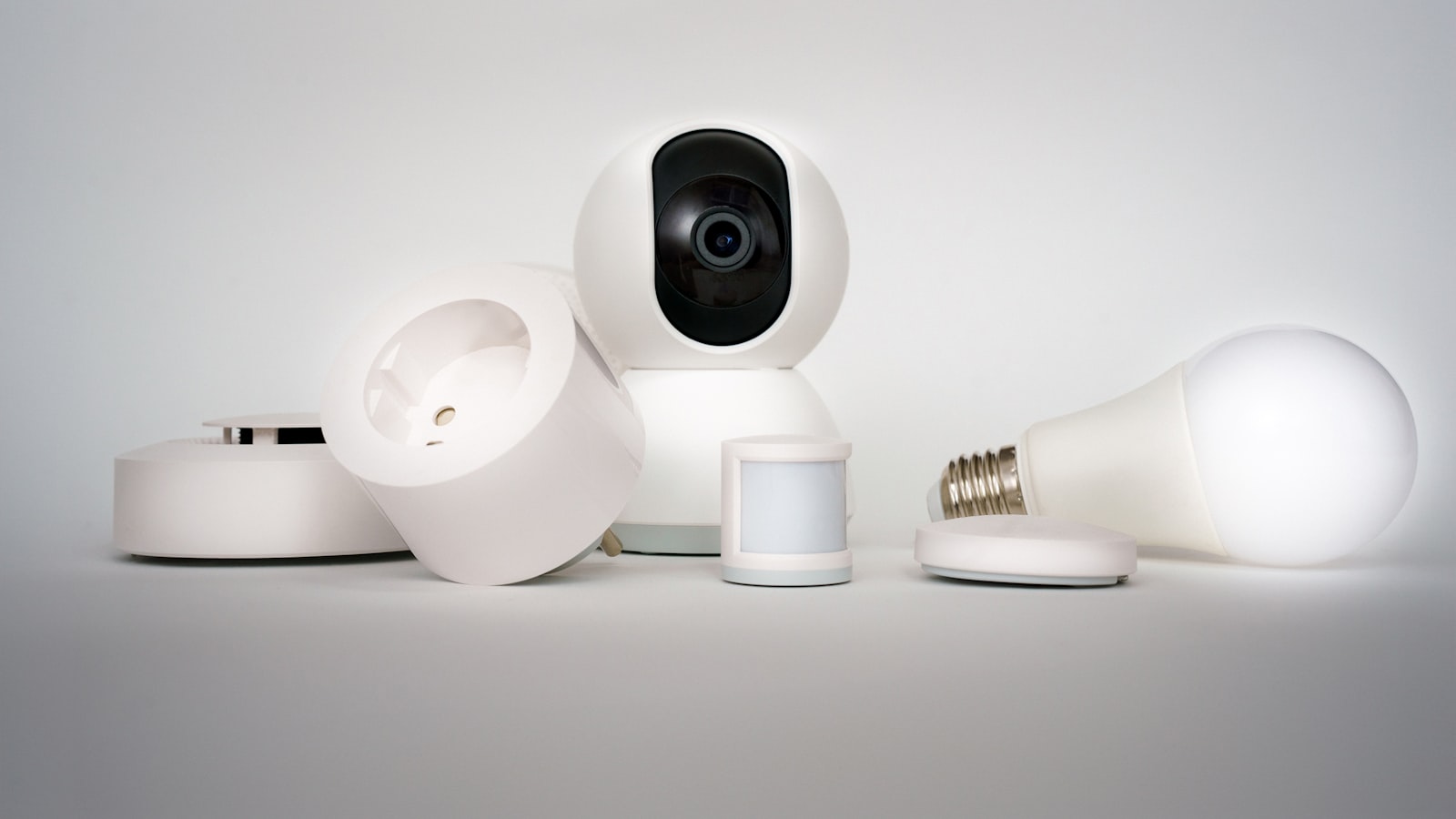
Matter is the answer to a real problem. For a decade, buying a smart bulb meant checking whether it worked with your particular assistant, and often the answer was "sort of, through a hub, if you use the right app". Matter was supposed to end that.
It has partly succeeded. It has also been marketed far beyond what it actually delivers, and the logo on the box tells you less than you would hope. This guide is about the gap between the two.
The one-sentence version
Matter is a language. Thread is a road.
Matter is the standard that lets a bulb made by one company be understood by an app made by another. Thread is a low-power wireless network that small, battery-powered devices use to reach each other, and it is one of several roads Matter can travel down. Matter also runs perfectly well over Wi-Fi and Ethernet.
That distinction matters because the two get sold as a bundle, and they aren't one. A Matter device might use Wi-Fi and never touch Thread. Thread existed before Matter and works without it. You can care about one and ignore the other.
What Matter actually guarantees
Matter guarantees the boring parts, and it guarantees them well. If a device carries the logo, its core functions will work in any Matter ecosystem: a light turns on and off, dims, changes colour. A lock locks. A sensor reports.
That is genuinely useful, and it is more than we had before. If your household argues about Alexa versus Google, Matter means the argument no longer decides what hardware you can buy.
What Matter does not guarantee
Here is what the marketing tends to skip.
Advanced features usually stay in the manufacturer's app. Matter defines a common set of capabilities. Anything a brand considers its differentiator, whether that's a lighting effect, a vacuum's room mapping, or a camera's person detection, is generally not in that common set. The device works everywhere. Its best features work in one place.
Setup is still where things break. Matter improved pairing, and pairing is still the step most likely to go wrong. Commissioning a device onto your network can fail for reasons that have nothing to do with Matter: a router that isolates devices from one another, a 2.4GHz band that your phone isn't currently on, a Bluetooth handshake that quietly times out.
It does not make old kit compatible. A device either speaks Matter or it doesn't. Some hubs can bridge older Zigbee or Z-Wave devices into a Matter ecosystem, which is a genuinely good reason to own a hub. But nothing retrofits Matter onto a bulb that was built before it.
Cameras are largely absent. The parts of the standard that cover cameras have lagged, and camera makers have shown little urgency about opening up footage to rival platforms. If you want cameras and doorbells that work across ecosystems, Matter is not currently the answer. Buy within one ecosystem and accept it, as our doorbell comparison works through in practice.
Thread, and whether you need it
Thread solves a different problem: how does a battery-powered sensor stay connected for two years without flattening itself?
Wi-Fi is expensive in power terms. Thread is not. It also builds a mesh, where mains-powered Thread devices relay messages for their battery-powered neighbours, so coverage improves as you add devices rather than degrading. That's the same idea as mesh Wi-Fi, applied to the sensors rather than the laptops.
To connect a Thread network to the rest of your house, you need a border router. This sounds like a purchase, and often isn't: recent Echo, Nest Hub and HomePod hardware includes one. The Echo Hub has Thread built in, as does the HomePod mini.
Check before you assume, though, because the labelling is genuinely misleading. The Apple TV 4K carries a Thread radio in the 128 GB Wi-Fi + Ethernet model only. Apple's spec sheet lists it under that model and nowhere else, so the cheaper 64 GB Wi-Fi box will not act as a border router no matter how new it is. Buy an Eve Energy plug expecting the 64 GB Apple TV to connect it and the plug will simply not work.
If you own no Thread devices, none of this affects you and you can stop reading this section.
So what should you actually do?
Buy Matter-capable when the price is close. It costs you nothing and preserves your options if you switch ecosystems later. That's the whole benefit, and it's a real one.
Don't pay a large premium for the logo. A cheaper non-Matter device from a brand with a good app and a track record of updates will serve you better than a Matter device from a brand that abandons its products. Longevity is a bigger risk than compatibility.
Don't replace anything that works. Matter is a tiebreaker for new purchases, not a reason to rip out a functioning system.
Check the feature you actually care about. If you're buying a device for one specific capability, confirm that capability works in the app you intend to use, not just that the device is "Matter compatible". Those are different claims.
The honest summary
Matter has made the floor higher. Basic control across brands mostly just works now, and that is a real improvement over the mess it replaced.
It has not made ecosystems irrelevant. You will still, in practice, pick a primary app and live inside it, which is why our beginner's guide still tells you to choose an ecosystem first. Matter means that choice is no longer permanent, and that's worth something. It just isn't the end of the ecosystem, whatever the box says.
Frequently asked questions
- What is the difference between Matter and Thread?
- Matter is a language, Thread is a road. Matter is the standard that lets devices from different brands understand each other, and it can run over Wi-Fi, Ethernet, or Thread. Thread is a low-power wireless network that small battery devices use to talk to each other. A device can support Matter without using Thread, and Thread existed before Matter did.
- Do I need a Thread border router?
- Only if you buy Thread devices. A border router connects your Thread network to your normal home network, and you may already own one without realising: recent Echo, Nest and HomePod hardware includes one. Do not assume an Apple TV does. Apple lists Thread only under the 128 GB Wi-Fi + Ethernet model of the Apple TV 4K, so the cheaper 64 GB Wi-Fi box is not a border router. If none of your devices use Thread, you can ignore all of this entirely.
- Does the Matter logo mean a device works with everything?
- It means the basics will work in any Matter ecosystem: on, off, brightness, colour, temperature. It does not mean every feature works. Manufacturers routinely keep their most interesting features inside their own app, and Matter has no obligation to expose them.
- Should I replace my existing smart home with Matter devices?
- No. Matter is worth choosing when you are buying something anyway, not a reason to throw away hardware that already works. The devices most worth replacing are the ones from brands that have stopped shipping updates, and that has nothing to do with Matter.
Products mentioned
- Amazon Echo Hub
A dedicated wall panel for a serious Alexa smart home, and only for that. If you have a lot of devices and want a glanceable dashboard instead of a phone, it delivers. If you have a few bulbs, buy an Echo Show and save the money.
- Google Nest Hub (2nd Gen)
The cheapest sensible way into Google Home, and a good bedside or kitchen display. Sleep Sensing is still free, whatever you may have read. Just do not count on radar tracking you accurately if you share the bed.
- Philips Hue White and Colour Ambiance Starter Kit
The most reliable way to start smart lighting, and the layer that survives you changing your mind about ecosystems. It works with Alexa, Google and HomeKit alike, so your lighting is not locked to whichever hub you bought this year.
More on smart home
- Does Nest Hub Sleep Tracking Need Fitbit Premium? No, and Here's Why Everyone Thinks It Does
Sleep Sensing on the Nest Hub is still free. Google announced the Fitbit Premium paywall in 2021 and has delayed it every year since. What that means if you're buying.
- Echo Hub vs Google Nest Hub: They Are Not the Same Kind of Product
The Echo Hub is a wall control panel with real hub radios. The Nest Hub is a cheap bedside display. Most people asking should buy neither.
- eufy E340: What 'No Subscription' Actually Means
The eufy E340's no-monthly-fee claim is true, and it is not the whole story. What local storage really gets you, and the four catches worth knowing first.
- Popular Smart Home Kit That Scores Low With Us (and Why)
Five widely recommended smart home products that score in the 6s and 7s on our scale, the specific flaw behind each number, and who should still buy them anyway.
Affiliate disclosure: we may earn a commission when you buy through links on this page at no extra cost to you. Read our methodology.