Does Nest Hub Sleep Tracking Need Fitbit Premium? No, and Here's Why Everyone Thinks It Does
Sleep Sensing on the Nest Hub is still free. Google announced the Fitbit Premium paywall in 2021 and has delayed it every year since. What that means if you're buying.
By Connected Home Team · Updated 13 July 2026
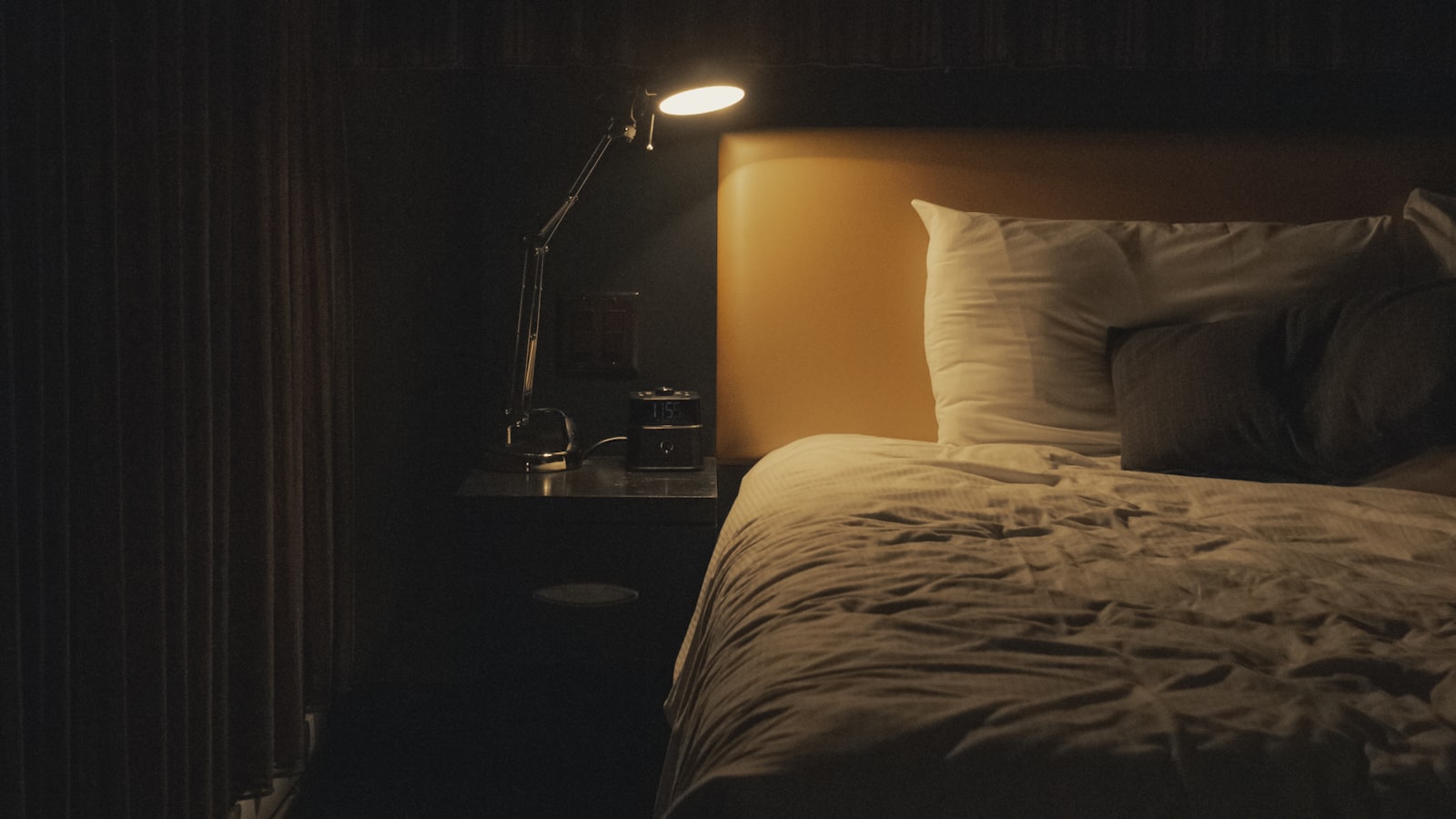
No, it does not. Sleep Sensing on the Google Nest Hub (2nd Gen) is free, and Google's own support page says so in plain language:
"When you opt in to Sleep Sensing, you won't be required to add payment information as the preview is available at no extra charge."
If you have read otherwise, you have read one of a great many articles that are wrong. So had we. This exact claim was on our own product page until we checked it, and correcting it is the reason this guide exists.
Why almost everyone gets this wrong
Google announced in 2021 that Sleep Sensing would be free through 2022, and would then become part of Fitbit Premium.
That announcement was news. It was covered everywhere.
Then Google pushed the date to 2023. Then it quietly extended the free preview again. And again. Each extension is a non-event, so it earns a fraction of the coverage the original announcement did, and some of it earns none at all.
What you get, years later, is a search engine full of confident, well-written, badly-dated articles describing a paywall that never arrived. None of it is fabricated. It is a report of an intention that Google keeps declining to act on.
This is worth understanding beyond one smart display, because the pattern repeats across this whole category. "A company announced X" and "X is true" are different facts, and search results blur them relentlessly.
What it means if you are buying one
The radar tracks your sleep, at no extra charge, today.
Price in the risk anyway. Google has told us plainly what it intends to do and has never withdrawn that intention, only postponed it. If Sleep Sensing is the single reason you want the device, understand that the feature could move behind a subscription during the life of the product, and that Google would be entirely within its rights, because it said it would.
Buy it because it is a cheap, camera-free, decent-sounding bedside display that happens to track your sleep for free. Do not buy it as a sleep tracker that happens to have a screen attached.
The limitation that actually matters, and no subscription fixes it
Here is what the subscription argument distracts from.
Soli tracks the body nearest to it. If you share a bed, the radar cannot tell which of you is which, and a partner or a pet will confuse the reading. That is a hardware constraint. There is no plan you can buy that resolves it.
For a single sleeper, with the display close to the bed and unobstructed, sleep tracking works well and reviewers say so. For a couple, it is unreliable in exactly the way that undermines the point of the feature.
This is why we score the Nest Hub 7.8 rather than higher. Our rubric puts a product in the sevens when it carries a real flaw that rules it out for a whole group of buyers, and "people who share a bed" is a very large group.
The rest is minor by comparison. The display has to sit close by and unobstructed to see you at all. The audio is mono and the bass is thin, which matters more in a kitchen than beside a bed.
What it is not: a proper smart home hub
Do not expect the Nest Hub to run your smart home the way an Echo Hub does.
The Nest Hub is a Matter controller. It is not a Zigbee hub, and the difference is real: it cannot talk directly to the large population of Zigbee sensors and bulbs that a device with a Zigbee radio reaches without help. If you are choosing your first hub rather than your first display, our guide to whether you actually need a smart home hub covers what that distinction means in practice.
The Echo Hub scores lower than the Nest Hub with us, incidentally, and for an unrelated reason. It is the better hub and the far narrower product.
So, should you buy it?
Buy it if you want the cheapest sensible way into Google Home, if you want a screen beside your bed with no camera in it, and if you sleep alone or are relaxed about how accurate the sleep data is.
Look elsewhere if you share a bed and want sleep tracking you can trust, if you want a display that doubles as a serious Zigbee hub, or if you want a speaker you would actually enjoy music on.
Still working out which ecosystem to commit to? Start with our smart home beginner's guide. Choosing the assistant is a bigger decision than choosing the display.
A correction, and how it happened. We had the Fitbit Premium claim wrong on our own product page. It came from a research pass that trusted a consensus of articles rather than Google's documentation, and it cost the Nest Hub a chunk of its score for a flaw that does not exist. We have corrected the page, re-scored the product upward, and written this. If you find something else we have got wrong, we would rather hear about it than not.
Affiliate note. The links above are affiliate links and we may earn a commission at no extra cost to you. How we research and score.
Frequently asked questions
- Does Nest Hub sleep tracking need Fitbit Premium?
- No. Sleep Sensing on the Nest Hub (2nd Gen) is currently free. Google's own support page states that when you opt in to Sleep Sensing you will not be required to add payment information, because the preview is available at no extra charge. Google has said since 2021 that it intends to move the feature into Fitbit Premium, and has postponed doing so every year.
- Why do so many articles say Sleep Sensing is paid?
- Because Google announced the paywall, and an announcement is news. Each delay is not news, so it gets far less coverage. A search therefore returns a confident chorus of articles describing a paywall that never actually arrived.
- Will Sleep Sensing become a paid feature later?
- Google has stated it intends to move Sleep Sensing into Fitbit Premium eventually. It has not committed to a date, and it has extended the free preview repeatedly. Treat free tracking as a perk you have today rather than a guarantee for the life of the device.
- Does Nest Hub sleep tracking work if you share a bed?
- Not reliably. The Soli radar tracks whichever body is nearest to it, so a partner or a pet in the bed can confuse it. This is a hardware limitation and no subscription changes it. It is the single biggest reason we do not score the Nest Hub higher.
Products mentioned
- Google Nest Hub (2nd Gen)
The cheapest sensible way into Google Home, and a good bedside or kitchen display. Sleep Sensing is still free, whatever you may have read. Just do not count on radar tracking you accurately if you share the bed.
- Amazon Echo Hub
A dedicated wall panel for a serious Alexa smart home, and only for that. If you have a lot of devices and want a glanceable dashboard instead of a phone, it delivers. If you have a few bulbs, buy an Echo Show and save the money.
More on smart home
- Echo Hub vs Google Nest Hub: They Are Not the Same Kind of Product
The Echo Hub is a wall control panel with real hub radios. The Nest Hub is a cheap bedside display. Most people asking should buy neither.
- eufy E340: What 'No Subscription' Actually Means
The eufy E340's no-monthly-fee claim is true, and it is not the whole story. What local storage really gets you, and the four catches worth knowing first.
- Popular Smart Home Kit That Scores Low With Us (and Why)
Five widely recommended smart home products that score in the 6s and 7s on our scale, the specific flaw behind each number, and who should still buy them anyway.
- What a Ring Doorbell Does Without a Subscription (and What It Doesn't)
A Ring doorbell works without a plan. It just doesn't record anything. Here's exactly what you keep, what you lose, and when that trade is fine.
Affiliate disclosure: we may earn a commission when you buy through links on this page at no extra cost to you. Read our methodology.