Smart Home Privacy: What Your Devices Send, and How to Limit It
Cameras, speakers, and sensors all send data somewhere. What's actually leaving your house, which choices genuinely reduce it, and which privacy features are theatre.
By Connected Home Team · Updated 12 July 2026
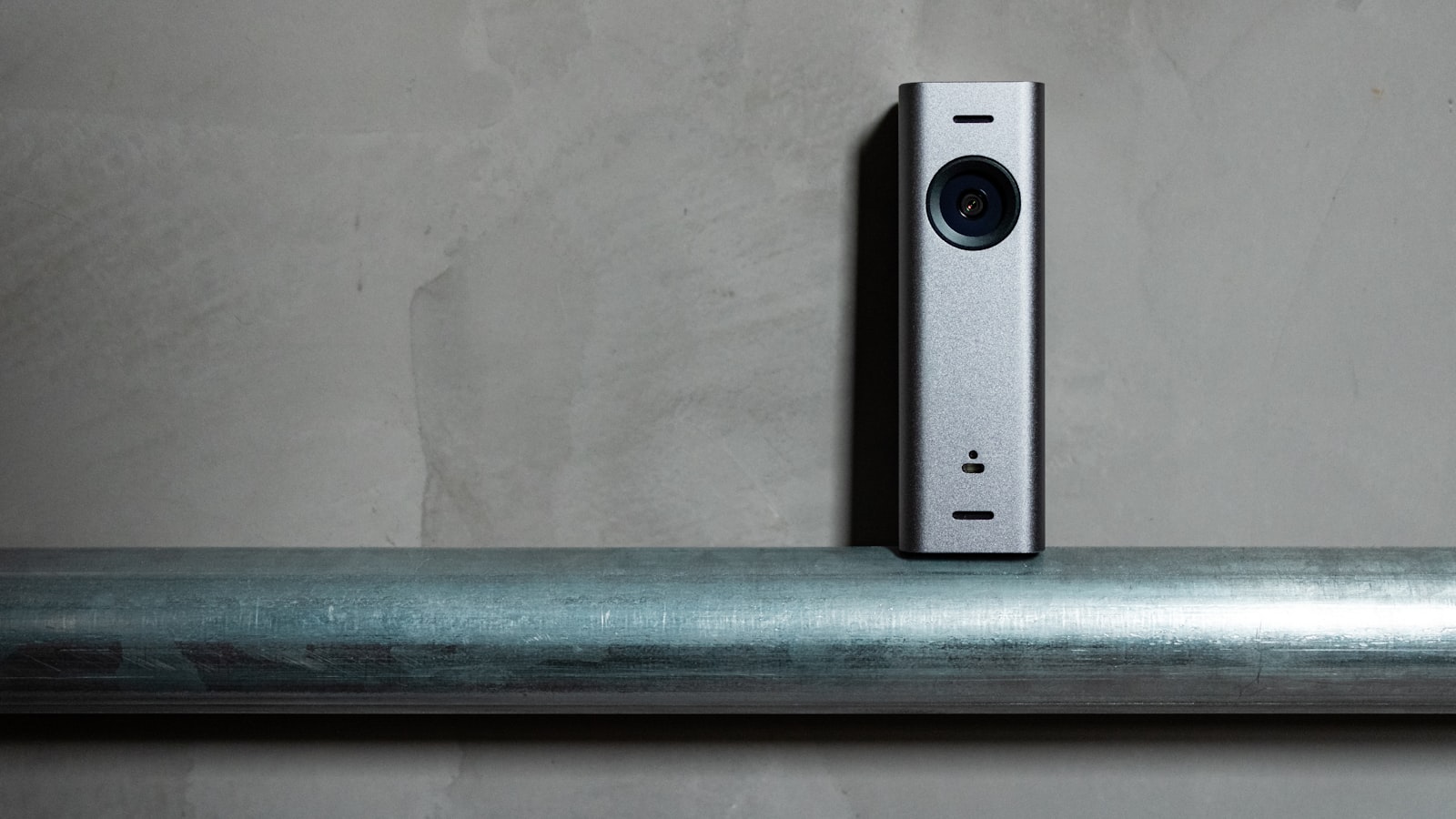
Every smart device sends something somewhere. That's not a scandal, it's how they work: a doorbell that can't reach a server can't send you a notification. The useful question isn't whether data leaves your house, it's what leaves, who holds it, and how long they keep it.
Most privacy advice for smart homes is either paranoid enough to be useless or vague enough to be pointless. This is a practical version, and it starts with the decision that matters far more than any setting.
The decision that matters most: local or cloud
Nearly all of your privacy exposure is determined at the moment of purchase, not in the settings afterwards.
Cloud storage means your footage lives on a company's servers. That's convenient. It also means the recording exists in a place you don't control, where it can be breached, retained after you thought it was deleted, disclosed to law enforcement under the laws of whichever country the servers sit in, or used to train something.
Local storage means the footage stays on the device or a base station in your house. To get at it, someone has to get at your house or your network.
This is the whole ballgame. A camera that records locally and only pushes a notification is in a fundamentally different privacy position from one that streams every clip to a data centre, and no amount of toggling settings will close that gap afterwards. It's why our doorbell comparison treats the eufy E340's local storage as a genuine feature rather than just a way to dodge a subscription fee, and why the Ring subscription is a privacy decision as much as a financial one.
If you take one thing from this guide: decide local versus cloud before you buy, because you cannot change it later.
What each type of device actually sends
Smart speakers listen locally for a wake word. The audio is processed on the device, and only after the wake word triggers is anything normally uploaded. The realistic risk isn't a permanent open microphone. It's the false trigger, where the device mishears the television, wakes up, and uploads several seconds of whatever was being said in the room. Review your voice history at least once. Most people are surprised by how often it fired, and by what it caught.
Cameras and doorbells send the most, and the most sensitive. Video, motion events, timestamps of when you come and go. A doorbell logs a remarkably complete record of your household's movements, which is worth thinking about independently of whether the footage itself is interesting.
Sensors send small, dull data: opened, closed, motion, temperature. Individually trivial. Collectively they describe when your house is empty, which is a genuinely sensitive fact.
Bulbs and plugs send almost nothing interesting, though on/off patterns still reveal occupancy. This is a low-stakes category and it's fine to treat it that way.
Robot vacuums are the surprising one. They build a detailed map of your home's floor plan, and that map is often stored in the cloud. It's one of the most personal data sets in the house and almost nobody thinks about it when buying.
The things actually worth doing
In rough order of impact.
Choose local storage for anything with a camera or microphone. Everything else on this list is a rounding error by comparison.
Put your smart devices on a separate network. Most routers offer a guest network, and many now offer an explicit IoT network. Putting cheap devices there keeps them away from your laptops and phones. This costs nothing and takes ten minutes, and it also limits the damage when one badly-maintained gadget turns out to have a security hole. A capable mesh system makes this straightforward.
Turn off what you don't use. Voice purchasing, personalisation, and "help improve our products" data sharing are usually opt-out rather than opt-in. Go through the settings once, properly, when you set the device up.
Delete your voice history and set it to auto-delete. Most assistants can now be told to discard recordings after a period. Do this once and forget it.
Mute the microphone when it matters. The mute button on a speaker is a hardware switch on most decent models, which means it works even if the software is compromised.
Prefer a physical shutter to a software promise. A lens cover that mechanically blocks the sensor is a fact. A software privacy mode is an assurance.
Check the vacuum's mapping settings. Find out whether the floor plan is stored locally or uploaded, and decide whether you mind.
The things that are mostly theatre
A camera pointed at the front door is not the privacy problem. A camera pointed into your living room is. Worry about placement before you worry about protocols.
Long, unique passwords on the device matter far less than not exposing it to the internet. The classic breach isn't someone guessing your bulb's password, it's a device left reachable from outside with a known flaw. Keep firmware updated and don't port-forward things you don't understand.
"Military-grade encryption" in the marketing means very little. Encryption in transit is table stakes and almost everyone has it. The question is who holds the keys and what they do with the data once it's decrypted at their end. That's a policy question, not a technical one, and it's answered in the privacy policy rather than the spec sheet.
Brand nationality is a poor proxy. People spend a lot of energy on where a company is headquartered and very little on whether the footage is stored locally, which matters much more.
The awkward part: convenience genuinely costs privacy
It would be neat to end with a way to have everything and give up nothing. There isn't one.
Cloud storage gives you clips from anywhere, on any device, with useful notifications and no fiddling. Local storage gives you control and asks you to accept a slightly worse app, occasional faff, and sometimes a base station cluttering a shelf. Person detection is genuinely more accurate when a large model runs on a server than when a small one runs on a doorbell.
These are real trade-offs, and different households will land in different places. Someone living alone in a ground-floor flat and someone with young children have different threat models and should make different choices. The goal isn't to reach some maximum-privacy end state. It's to make the trade knowingly, rather than discovering it later.
Bottom line
Buy for the storage model, not the settings screen. Everything else is tuning at the margins.
Put the smart devices on their own network, spend ten minutes in the privacy settings the day you set each one up, and be deliberate about which rooms get a microphone or a lens. That's most of the benefit available, and it's achievable in an afternoon.
Just starting out? Our beginner's guide covers the ecosystem decision, which is worth making with this in mind, since it determines whose servers you'll be dealing with for years.
Frequently asked questions
- Are smart speakers always listening to me?
- They are always listening for the wake word, which is processed on the device itself. Audio is normally only sent to the manufacturer's servers after the wake word triggers. The real risk is not constant surveillance, it is false triggers: the device mishears something, starts recording, and uploads a fragment of conversation you never meant to send.
- Is local storage genuinely more private than cloud storage?
- Yes, meaningfully so, as long as the device is not also uploading a copy. Footage kept on the device or a local base station is not sitting on a company's servers where it can be breached, handed over, or mined. It is the single biggest privacy decision you make when buying a camera or doorbell.
- Can the police or a company access my camera footage?
- If it is stored in the cloud, it can be disclosed to law enforcement under the laws of the country where it is held, and the rules differ by jurisdiction. Some manufacturers have handed over footage without the owner's consent. Local storage substantially reduces this exposure because there is no central archive to request.
- Does a privacy shutter on a camera actually do anything?
- A physical shutter that mechanically covers the lens is genuine, because software cannot undo it. A software-only privacy mode is a promise, not a guarantee. If privacy in a specific room matters to you, prefer a physical shutter, or simply do not put a camera in that room.
Products mentioned
- eufy Video Doorbell E340
The best no-subscription doorbell for most homes. The second, downward-facing camera catches parcels on the step that single-lens doorbells miss entirely, and the footage stays on the device rather than on a company's servers.
- Ring Battery Video Doorbell Pro (2nd Gen)
The best video quality you can get on a battery doorbell, and the right choice inside the Ring and Alexa ecosystem. Understand that the subscription is not optional if you want recordings, and that it is a permanent cost for as long as you own it.
More on smart home
- Does Nest Hub Sleep Tracking Need Fitbit Premium? No, and Here's Why Everyone Thinks It Does
Sleep Sensing on the Nest Hub is still free. Google announced the Fitbit Premium paywall in 2021 and has delayed it every year since. What that means if you're buying.
- Echo Hub vs Google Nest Hub: They Are Not the Same Kind of Product
The Echo Hub is a wall control panel with real hub radios. The Nest Hub is a cheap bedside display. Most people asking should buy neither.
- eufy E340: What 'No Subscription' Actually Means
The eufy E340's no-monthly-fee claim is true, and it is not the whole story. What local storage really gets you, and the four catches worth knowing first.
- Popular Smart Home Kit That Scores Low With Us (and Why)
Five widely recommended smart home products that score in the 6s and 7s on our scale, the specific flaw behind each number, and who should still buy them anyway.
Affiliate disclosure: we may earn a commission when you buy through links on this page at no extra cost to you. Read our methodology.