Can You Use a Smart Plug With a Space Heater?
Manufacturers genuinely disagree, so check yours. But the electrical rating is the smaller question. The one that matters is whether a heater should ever switch on while nobody is in the room.
By Connected Home Team · Updated 27 July 2026
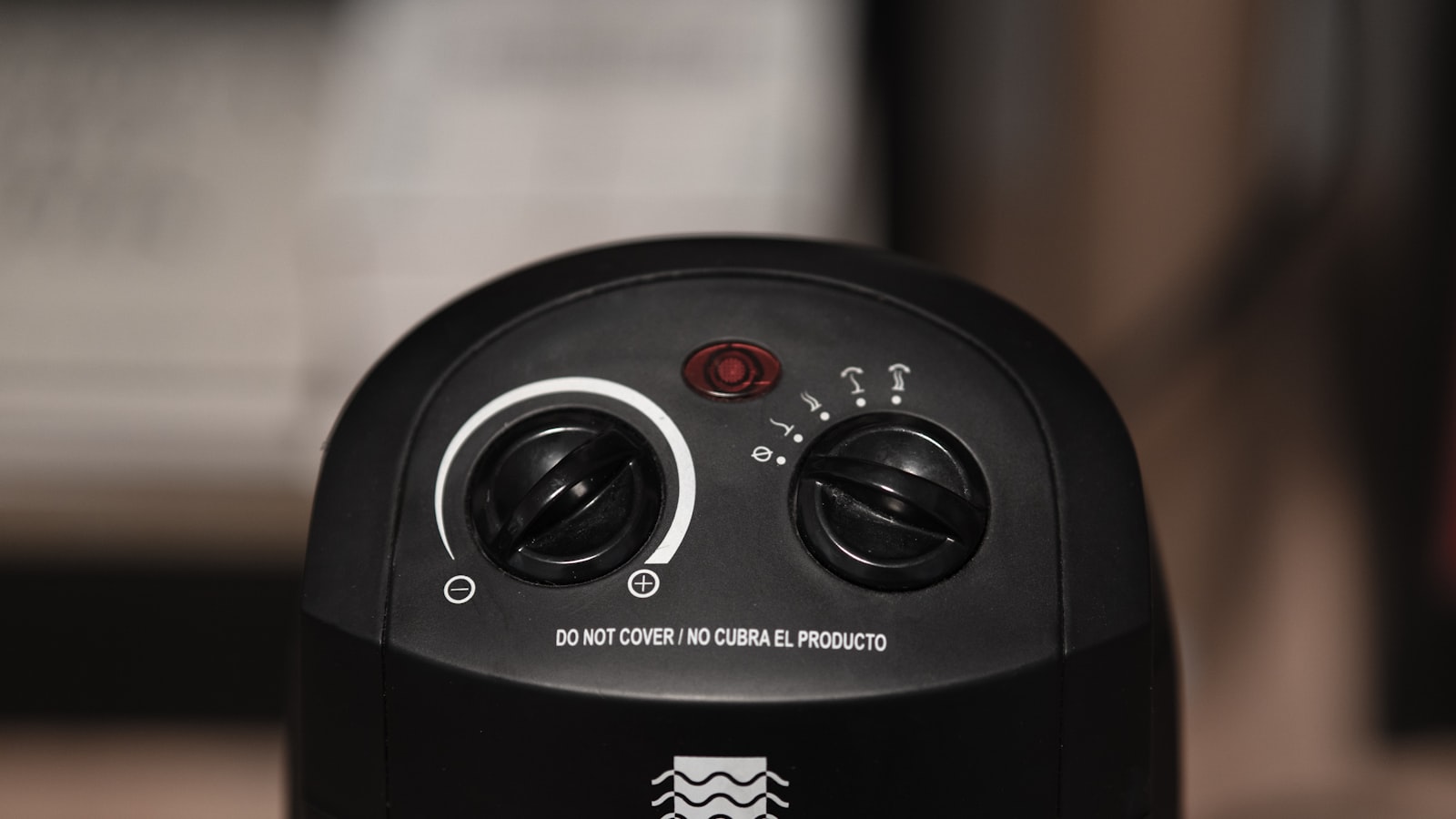
Manufacturers genuinely disagree on this, so the first thing to do is check the one you own rather than trust a general rule. TP-Link states that its Tapo and Kasa plugs are designed primarily for resistive loads, and names heaters, kettles and electric irons among them, subject to a stated current and wattage limit. Other manufacturers take a firmer line and warn against heaters specifically. Both positions are defensible, because they are answering slightly different questions.
The short version: the electrical question usually has a workable answer if you respect the rating and leave margin. The question that should actually decide it is whether a heater ought to be able to switch itself on while nobody is in the room, and there the answer is a straightforward no.
The electrical question, and how to answer it properly
Work out what your heater actually draws. Divide its wattage by your mains voltage and you have the current, which is the number the plug's rating is about.
This is where mains voltage matters. A 1500 W heater on a 120 V supply draws around 12.5 A. A 2000 W heater on a 230 V supply draws under 9 A. Against a 15 A plug the first is at roughly 83% of maximum, held for as long as the heater runs. Against a 13 A or 16 A plug the second sits far more comfortably. Same category of appliance, quite different headroom, which is part of why manufacturers in different markets give different advice.
Then leave margin, because a heater is a continuous load. It runs for hours, not minutes, and that is harder on a relay and its terminals than the intermittent work a plug usually does. Any resistance in the contacts turns into heat, and heat raises resistance. North American electrical practice handles this with a derating convention: anything drawing for three hours or more is kept to about 80% of the rating. That is a sound margin to work to wherever you live, and it is a better guide than asking whether you have squeaked under the printed maximum.
So if your heater sits close to the plug's limit, the honest answer is no regardless of what the manual permits. If it sits well inside, the electrical objection largely goes away.
The question that actually matters
Even a plug carrying the current comfortably leaves the real risk untouched, and this is the part worth being firm about.
A portable heater has safety systems built in, typically a tip-over switch and a thermal cutout, and it is designed around a person being present to switch it on. Put it behind a schedule or a voice command and it can start in an empty room. Something has been draped over it since you last looked. It has been pushed against the sofa during cleaning. A child or a pet has moved it. Those cutouts will often handle exactly these situations, and they are there for a reason, but you have removed the human check that normally sits in front of them, for an appliance category with a serious fire record.
There is a quieter failure too. Some heaters do not resume their previous state when power returns, so switching the plug on gives you a heater that is powered but idle. You believe the room is warming and it is not. Others resume at whatever they were last set to, including full output, which is the opposite problem.
This is the same principle our full guide to smart plugs applies to hair straighteners and anything else that gets hot. If you would not leave it running while you were out, it does not belong on a schedule.
The use that is genuinely defensible
Turn the idea around and it works.
Using a smart plug to switch a heater off, remotely, adds a safety net rather than removing one. Being able to answer "did I leave the heater on?" from the other side of the country, and then do something about it, is a real benefit with no corresponding risk. Leave the plug switched on as its normal state, control the heater at the heater, and treat the app as an off switch and a monitor.
An energy monitoring plug like the Tapo P110 is also genuinely useful here, because electric heating is expensive to run and most people underestimate it badly. Measure it before you decide how much to use it. The continuous-load and rating questions still apply, so size it properly, but a plug used to measure and to switch off is a different proposition from one used to switch on unattended.
What to do if you want scheduled heat
Buy a heater with smart control built in. The manufacturer has then designed the switching, the internal wiring and the safety cutouts as a single certified product, which is not the same as putting a generic relay in front of an appliance whose designers assumed somebody would be standing there.
And if what you really want is a warm house on a schedule, portable electric heaters are an expensive way to get it in most homes. Improving the control on your main heating usually costs far less to run than heating rooms individually with electricity, which is what our guide to smart thermostats covers.
Where smart plugs are an easy yes
None of this makes smart plugs a bad buy. It makes scheduling a heater a bad idea.
Lamps, fans, coffee machines, Christmas lights, aquarium gear, televisions and games consoles all sit comfortably inside what a plug is built for, and automating them is genuinely useful. The appliances to think twice about are the ones that get hot or draw heavily: heaters, hair dryers, irons, and anything your plug's own documentation calls out. Motors are a separate category again, since fridges, air conditioners and washing machines draw a large inrush current at startup and most plugs are explicitly not rated for them.
Check the rating, do the arithmetic, and then ask the question the rating cannot answer.
Affiliate note. The product links here are affiliate links and we may earn a commission at no extra cost to you. Commission never buys a recommendation. How we research and score.
Frequently asked questions
- Is it safe to plug a space heater into a smart plug?
- Electrically it can be, provided the heater's current sits comfortably inside the plug's rating, and manufacturers differ on whether they permit it. TP-Link, for example, states that Tapo and Kasa plugs are designed primarily for resistive loads and names heaters among them, within a stated limit. Others are more restrictive. The question the rating does not answer is whether the heater should ever switch on when nobody is there, and that is the one that should decide it for you.
- What does the smart plug's rating actually tell me?
- It gives you the maximum current the plug is built to carry and switch. Work out your heater's draw by dividing its wattage by your mains voltage, then leave real margin rather than creeping up to the limit. A heater is a continuous load, running for hours rather than minutes, and continuous loads are conventionally derated: North American practice is to keep anything running three hours or more to about 80% of the rating. That margin is good sense at any voltage.
- Does mains voltage change the answer?
- It changes the current, which is what the plug's rating is about. A 1500 W heater on a 120 V supply draws around 12.5 A, while a 2000 W heater on a 230 V supply draws under 9 A. So a North American reader running a typical portable heater sits much closer to the limit of a 15 A plug than a European reader does on a 13 A or 16 A one. Same appliance category, meaningfully different headroom.
- Is there any way to use a smart plug with a heater sensibly?
- Yes, and it is the reverse of what most people plan. Using the plug to switch a heater off remotely, or to answer the question of whether you left it on, adds a safety net and takes nothing away. Using it to switch a heater on to a schedule or from your phone is where the risk sits, because the heater then starts in a room you cannot see. If you want scheduled heating, buy a heater with the control designed and certified into it.
Products mentioned
- TP-Link Tapo P110 Mini Smart Wi-Fi Plug with Energy Monitoring
The default cheap smart plug for Alexa and Google homes, and the one to pick if you want a rough answer to what an appliance costs to run. Treat the energy figures as indicative, not metering. If you are on Apple Home, or you want Matter, buy the P110M instead.
- Amazon Smart Plug
Buy it only if you are certain your home will stay Alexa-only. In that one case the setup really is trivial and it does the job. Everyone else is better served by a Kasa, Tapo or Meross plug that costs the same or less, works with every major platform, and actually reports how much power the thing is drawing.
- Eve Energy (Matter) Smart Plug
If you already have a Thread border router, this is the plug to buy and the trade-offs are mostly about money. If you do not, buy the hub first or buy a different plug, because the Matter version has no Bluetooth fallback and will not run without one.
More on energy
- Do Smart Plugs Use Electricity When They're Off?
Yes, always. A smart plug has to stay awake to hear the command to switch on, and that costs a trickle of power around the clock. Here is how much, and when it is worth caring about.
- Do Smart Thermostats Actually Save Money?
Sometimes, and it depends almost entirely on how you heat your home now. If your timer is already well set and you turn the heating down when you go out, expect very little.
- Do Smart Thermostats Work Without Wi-Fi?
Yes, for the part that matters. The schedule runs on the thermostat itself, so your heating keeps working when the internet drops. What you lose is the app, geofencing and voice control.
- Smart Plugs: What They're Good At, and What They're Not
The cheapest way into a smart home, and the easiest to waste money on. What a smart plug can genuinely automate, what it can't, and the safety limits that matter.
Affiliate disclosure: we may earn a commission when you buy through links on this page at no extra cost to you. Read our methodology.